Essential Tips to Cope with Storms
- Henry Day
- Mar 15
- 3 min read

Storms can strike suddenly and with great force, creating dangerous situations for anyone caught unprepared. Knowing what to do in a storm can protect you and save on costly repairs to your property.

Make sure you check out the Get Ready Queensland website.
This post offers just a few clear, practical steps to help you limit the impact of severe weather.
Recognise the Signs of an Approaching Storm
Storms can be extremely powerful and may cause significant damage. They can often arrive quickly but give warning signs before they arrive. Pay attention to:
Darkening skies and sudden drops in temperature
Increasing wind speeds and shifting wind directions
Weather alerts on your phone or local news
Most storms will come from the West, South West (the Hinterland/Beaudesert) during the afternoon on hot, humid days. They occur most commonly during Summer and early Autumn. They travel towards the coast, picking up energy from the heat of the Darling Downs and Hinterland. These storms produce strong wind, lightning, rain and hail. They can be intense, but are usually short lived (30 minutes to an hour).
Really bad storms with damaging high wind and torrential rainfall will come from the East, North East (the Coral Sea). They form from tropical lows and troughs over warm water off the coast. These storms can produce strong sea surges. If you live near a creek, river or floodway you are at a greater risk of flooding. The rain and wind can last for many hours. Water can rise fast, however, at any time.
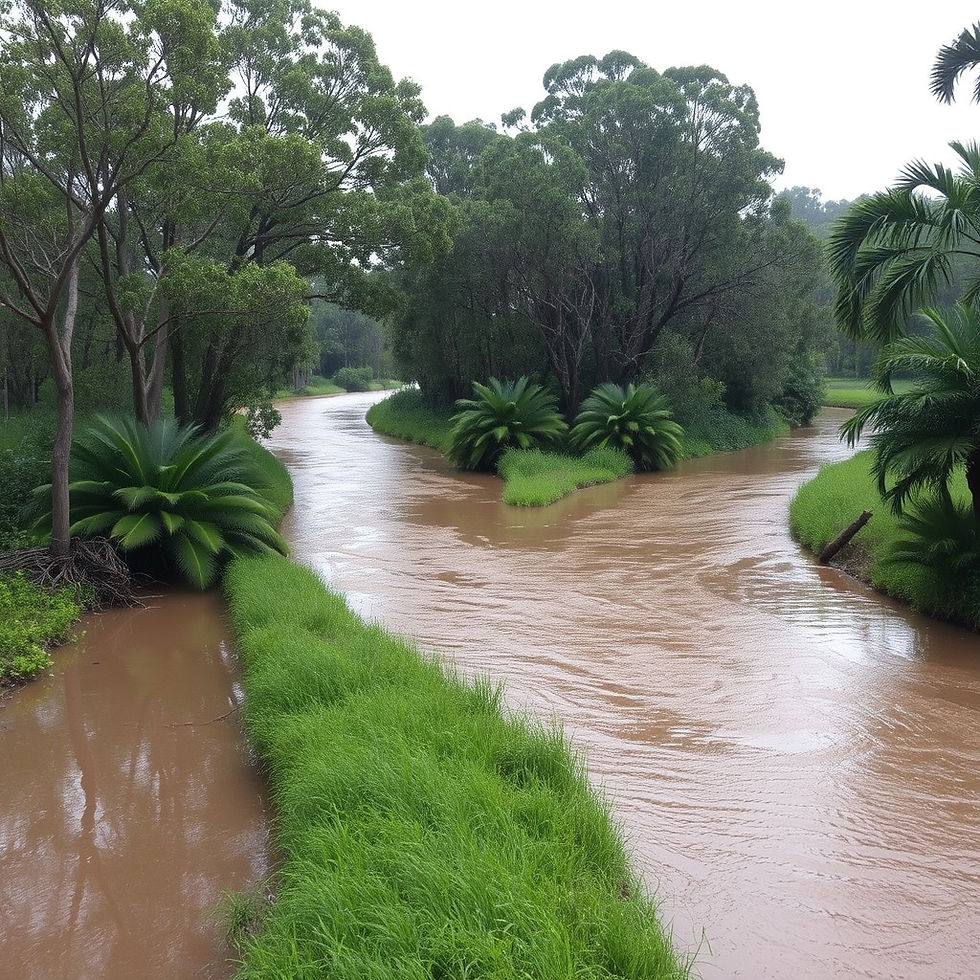
Being aware of storm warning signs gives you time to prepare your property before the weather worsens.
Prepare in Advance
Storms bring several hazards that can cause damage and might lead to injury. Understanding these dangers helps you avoid paying the price for severe weather.
If you are renting and your landlord isn't proactive with their maintenance (especially of the roof, gutters, overhanging trees, etc) make sure you regularly log requests for this work to be done. Pester them. It is their responsibility to ensure the house they rent is safe.
Put your car under cover or away from trees.
Make sure your pets are inside.
Remove any loose toys and furniture from around your yard. Remove pool covers, if you can.
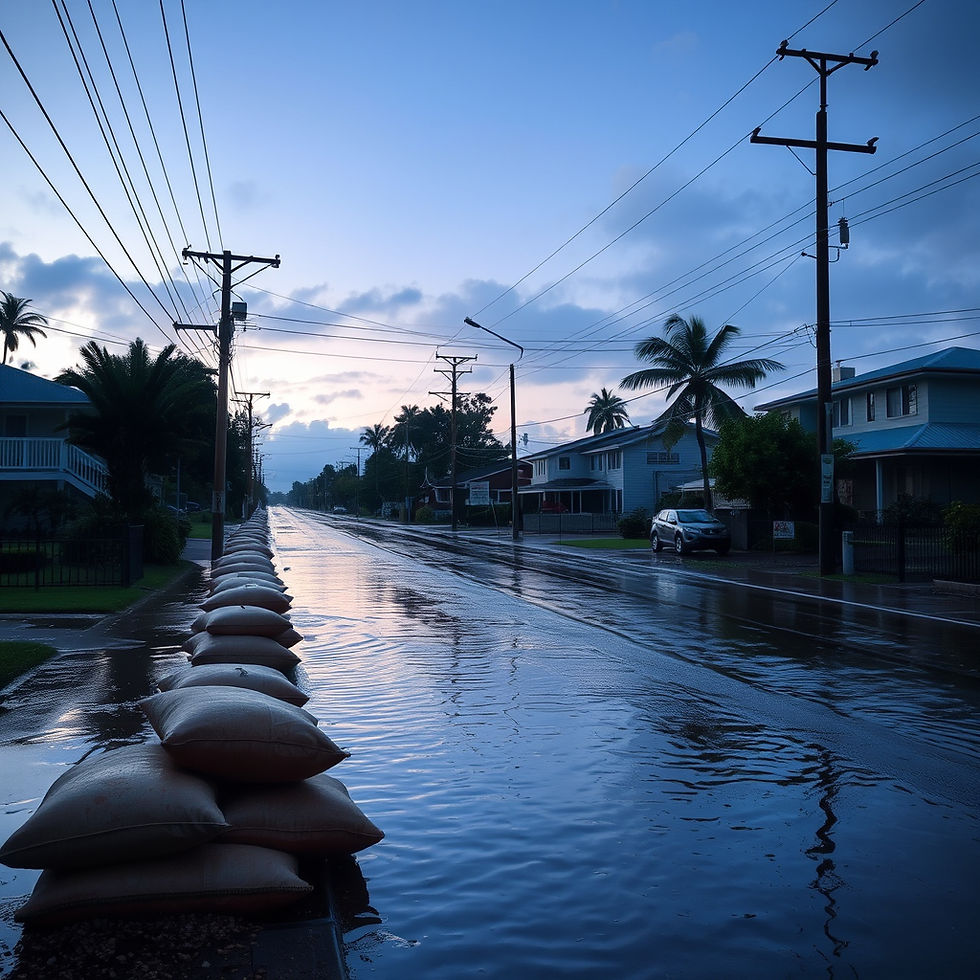
If you are in a flood prone area, consider sandbagging around doorways and any vents in brickwork. Before severe storm events, the Council may supply sandbags, otherwise buy some from a hardware store and keep them in your garage.
You may need to place sandbags inside over floor drains (shower, etc), bath and sink drains and in toilet bowls during severe flood warning, to avoid sewerage backflow.
You may need to turn your power off at the main switchboard. Flooding up to PowerPoints will cause electrical faults. Normally, light circuits can be left on as the switches are generally higher up the wall.
Check-in on your neighbours. There is safety in numbers and damage to their house could impact yours.
After a Storm
Even after the storm ends, dangers remain. Follow these steps:
Watch out for fallen power lines and report them to Energex on 13 62 62.
If your power is out, use torches instead of candles to reduce fire risk.
Tree branches may be broken off, but suspended in other branches. Do not walk under trees until you check them. If trees have been knocked over be cautious around them or anything they have landed on.
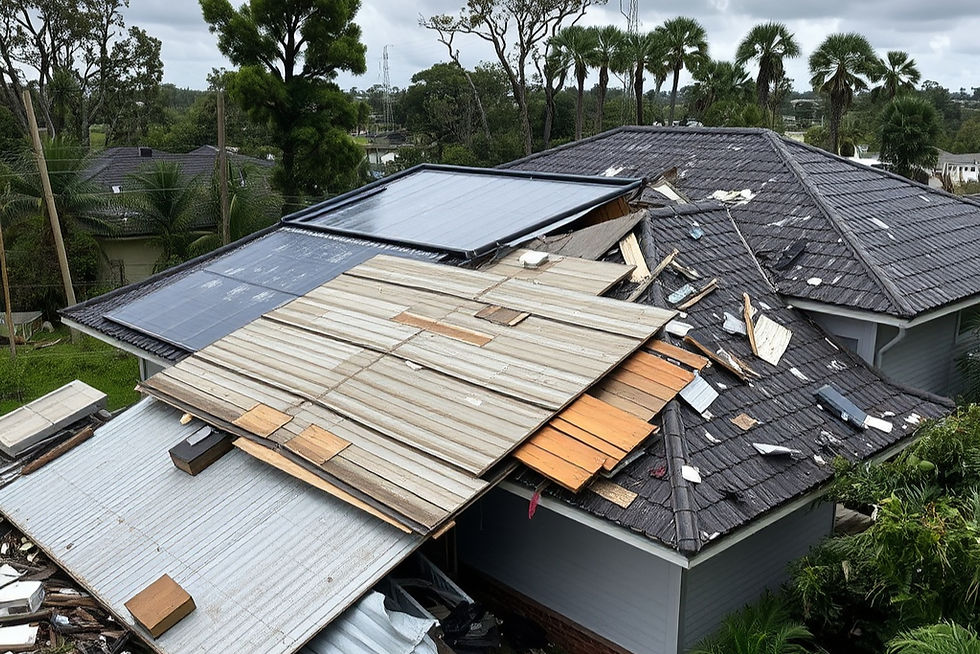
Inspect your house for damage and take photos immediately.
Avoid walking or driving through floodwaters.
Follow the instructions of any emergency authorities.
Practice Storm Safety Regularly
Preparation is ongoing, particularly from late Spring to early Autumn. Make storm safety a habit by:
Become aware and informed about how storms form in your area.
Make sure you keep spare batteries or charged power banks at home.
Make sure your gutters are relatively clean and that downpipes and ground drains are not blocked.
Being ready before a storm hits will reduce its impact on you.


Comments